

Piraeus Port: What Travelers Should Know
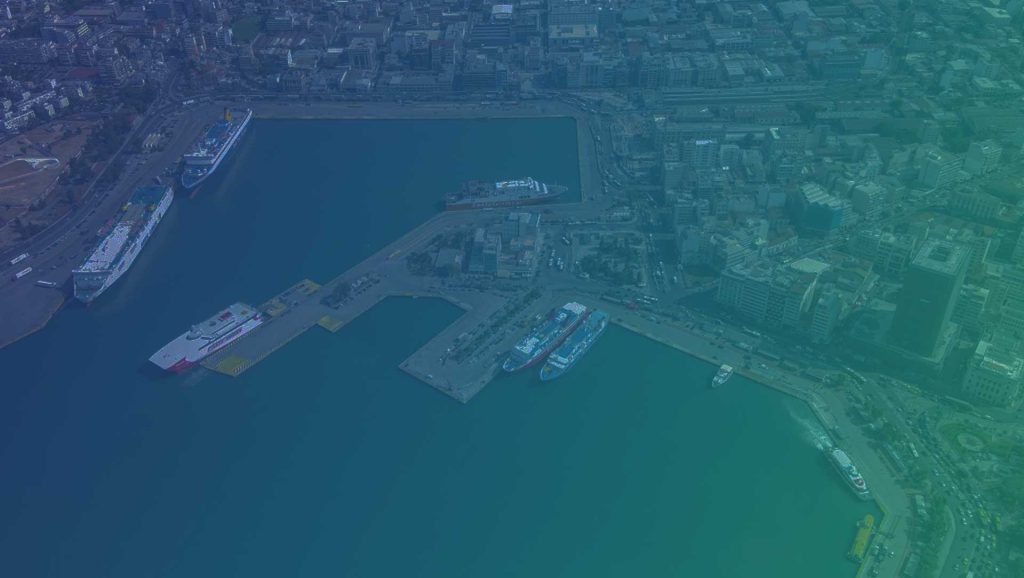
Piraeus Port is the main port of Athens and the main gateway to the Greek islands. The official Athens guide says it handles around 20 million passengers every year, sits about 10 km southwest of the city centre and about 45 km from the airport, and serves as both the departure point for island ferries and the landing point for many cruises.For many travelers, Piraeus Port is simply a place to pass through on the way to an island. But it is also one of the busiest and most demanding travel points in Greece, especially in summer. Ferry departures, luggage, waiting time, heat, children, and tight same-day connections can make a port day more tiring than expected. That is why it helps to plan it a little more carefully. This last point is practical travel advice based on the scale and transport role of the port.
Why Piraeus Port matters so much
The official Athens guide describes Piraeus Port as the main port in Athens and the gateway to the Greek islands. It also notes that most visitors pass through quickly, even though Piraeus is a city in its own right.
That means Piraeus Port is not just another transport stop. It is often the point where a travel day becomes more stressful, especially if the ferry is early, the weather is hot, or the traveler is already tired from a flight, hotel transfer, or long day in the city.
Piraeus Port can be simple, but timing matters
The ferry itself is often not the hardest part. What usually makes a Piraeus Port day tiring is everything around it:
- getting to the port on time
- handling luggage
- waiting in crowded areas
- managing children
- dealing with heat
- trying to connect ferries with airport or hotel plans
The official Athens guide specifically notes that during high season demand is high and travelers may need to wait in line.
That is why a port day works much better when people leave more time than they think they need.
How to get from Piraeus Port to central Athens
According to the official Athens guide, Metro Line 3 connects Piraeus Port to Syntagma Square in about 20 minutes, and the same line reaches Athens Airport in about 55 minutes. The official public transport page also notes that the suburban railway provides a direct link between Piraeus port and Athens International Airport.
The official guide also says Line 1 connects the city centre with the port.
So in practical terms, Piraeus Port is well connected, but on a tiring travel day, even a good connection can feel more demanding than expected.
Getting from Piraeus Port to the airport
This topic is more relevant for Athens than it may have seemed a few years ago because recent reporting has described pufferfish incidents along the Attica coastline, including a reported swimmer injury near Varkiza. At the same time, the official Athens guide actively promotes the Athens Riviera as a major swimming and beach area for visitors.
That does not change the calm message. It simply means puffer fish Athens is now a sensible awareness topic for travelers using the coast around Athens.
Luggage can make the whole day harder
One reason Piraeus Port can feel exhausting is luggage. The official Athens guide even has a dedicated luggage-storage tip page that mentions services inside the port at Gate 3, which shows how common this need is for travelers moving through the area.
In practice, luggage changes everything:
- walking becomes slower
- transfers feel longer
- waiting becomes more tiring
- heat feels worse
- families become less flexible
This is practical advice based on the port’s transport role and luggage services listed by the official guide.
Families should keep the day lighter
A Piraeus Port day is often manageable for families, but it can become tiring quickly if it starts early, includes a long wait, or continues straight into another transfer after arrival.
Parents should watch for:
- unusual tiredness
- thirst
- irritability
- nausea
- signs of overheating
- reluctance to keep moving
This is general practical travel advice, especially relevant in summer and on major port-transfer days.
Piraeus is more than just the ferry terminal
The official Athens guide makes a point of saying that Piraeus is much more than just a port and that most visitors overlook the wider city. It highlights sea views, seafood restaurants, and a city identity of its own.
That matters because sometimes travelers treat Piraeus Port like a place to rush through at maximum speed. In reality, if there is time, a slightly calmer schedule often makes the whole day feel much easier.
What travelers should watch out for at Piraeus Port
The main things to watch out for at Piraeus Port are not dramatic. Usually they are simple travel-day issues:
- heat
- dehydration
- overplanning
- too little time between connections
- heavy luggage
- children getting tired earlier than expected
- trying to continue normally when you already feel unwell
A lot of minor holiday problems begin like this. The smarter approach is to rest earlier, drink water earlier, and avoid treating the port day like “just a short transfer.”
When to seek medical help during your stay
After a long Piraeus Port day, it is sensible to seek medical help if there is:
- dehydration that is not improving
- repeated vomiting
- strong dizziness
- unusual weakness
- fever
- symptoms that are getting worse instead of improving
Early advice is often easier than waiting too long, especially when children, older travelers, or already tired visitors are involved.
Medical help at your accommodation in Athens or Piraeus
One practical thing that matters after a difficult Piraeus Port day is knowing that help can come to you. If heat, exhaustion, stomach upset, fever, or another issue starts affecting your stay, the last thing you want is more travel and more stress.
For travelers staying in Athens or Piraeus, receiving medical care at the hotel, Airbnb, apartment, or villa can be a practical and reassuring solution. It can be especially helpful after a ferry day, a long transfer, or a difficult arrival.
Final thoughts
Piraeus Port is one of the most important travel hubs in Greece and the main link between Athens and the islands. The official Athens guide makes clear that it is busy, well connected, and central to onward travel across the country.
The day is usually manageable when planned well. A little extra time, enough water, realistic expectations, and less pressure around connections can make a major difference. And if a long travel day starts affecting your health afterward, getting medical help in Athens or Piraeus can be the easiest next step.
FAQ
What is Piraeus Port?
Piraeus Port is the main port of Athens and the main gateway to the Greek islands. The official Athens guide says it handles around 20 million passengers each year.
How far is Piraeus Port from central Athens?
The official Athens guide says Piraeus Port is about 10 km southwest of the city centre.
How do I get from Piraeus Port to the airport?
According to the official Athens guide, Metro Line 3 connects Piraeus to the airport in about 55 minutes, and the suburban railway also provides a direct link. There are also 24-hour express buses between the airport and the port.
Is Piraeus Port only for ferries?
No. The official Athens guide notes that Piraeus is also the landing point for cruises and is a city in its own right, not just a ferry terminal.
When should I seek medical help after a port day?
You should seek medical help if there is dehydration, repeated vomiting, dizziness, unusual weakness, fever, or symptoms that are getting worse.
Need medical help during your stay in Athens or Piraeus?
DOCTOR GREECE Athens is ready to help. Whether it’s a minor issue or an unexpected health concern, you’ll find fast, friendly, and English-speaking care just minutes away. Travel smart. Travel safe. Travel with peace of mind.
Useful Links
In case of emergency
Doctor Greece is Just a Call Away!
We guarantee that you can access our top-quality services without financial burden. Our Insurance Process is crafted to ensure a seamless experience for you. We partner with leading international insurance companies renowned for their prestige and reliability.












Traveling should be about creating unforgettable memories, not worrying about unforeseen health concerns. With Doctor Greece as your trusted medical partner, you can explore the beauty of Athens confidently. From emergency care to routine check-ups, their dedicated team is always ready to help. So pack your bags, soak in the history, and let Doctor Greece take care of your health while you enjoy the best Athens has to offer.




Powered By Iassis Medical - Just a call away
Contact
- Phone : +30 2107000020
- Email : info@doctorgreece.gr
- 10 Xenofontos Str., Syntagma Square
- Athens & Piraeus, Greece